In recent years, Malaysia has made meaningful progress in strengthening its healthcare system. Yet one challenge continues to persist quietly in the b...
In recent years, Malaysia has made meaningful progress in strengthening its healthcare system. Yet one challenge continues to persist quietly in the background — cancer is still being detected too late. According to the Malaysia National Cancer Registry, the lifetime risk of developing cancer has increased to approximately 1 in 8 individuals, with a significant proportion of cases diagnosed only at advanced stages. By the time symptoms appear, the window for early, curative treatment is often already narrowing. This is where Selangor Saring has emerged as a critical intervention.
Originally designed as a large-scale community screening programme for non-communicable diseases (NCDs), Selangor Saring is now evolving into something far more impactful — a platform for early detection of serious diseases, including cancer, at the population level. The inclusion of lung cancer screening represents a significant milestone in this evolution. Lung cancer remains one of the most challenging cancers globally, not only because of its high mortality rate, but because it is often asymptomatic in its early stages. In Malaysia, more than 90% of lung cancer cases are diagnosed at Stage III or IV, where treatment options are more limited and outcomes are significantly poorer.Yet when detected early, survival outcomes can improve by as much as two to five times. The challenge, however, has always been accessibility. Traditional screening methods such as low-dose CT scans (LDCT) are effective but come with limitations — cost, infrastructure requirements, and the need for specialised facilities. These factors make it difficult to deploy such solutions at scale, particularly in community-based settings.
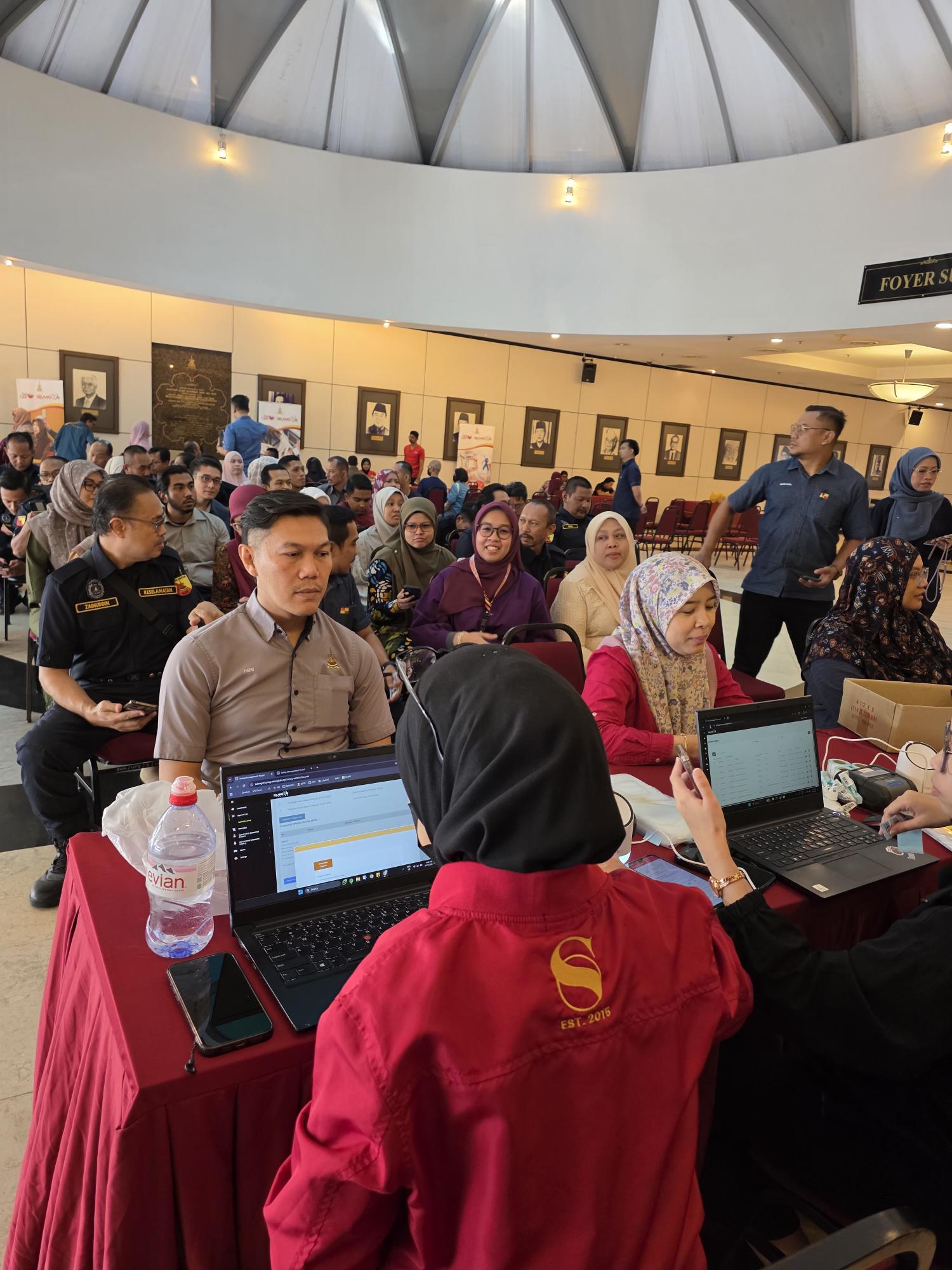
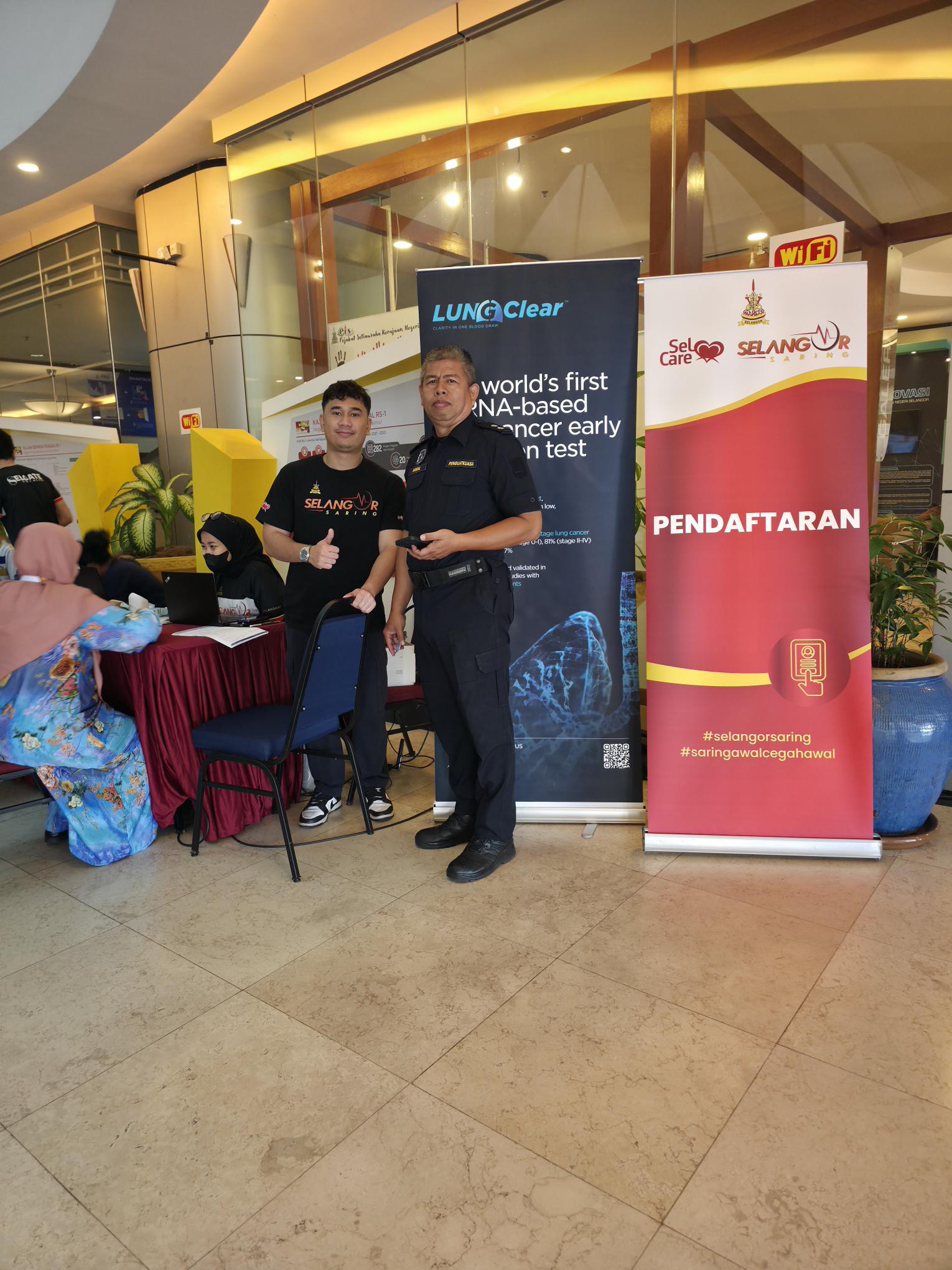
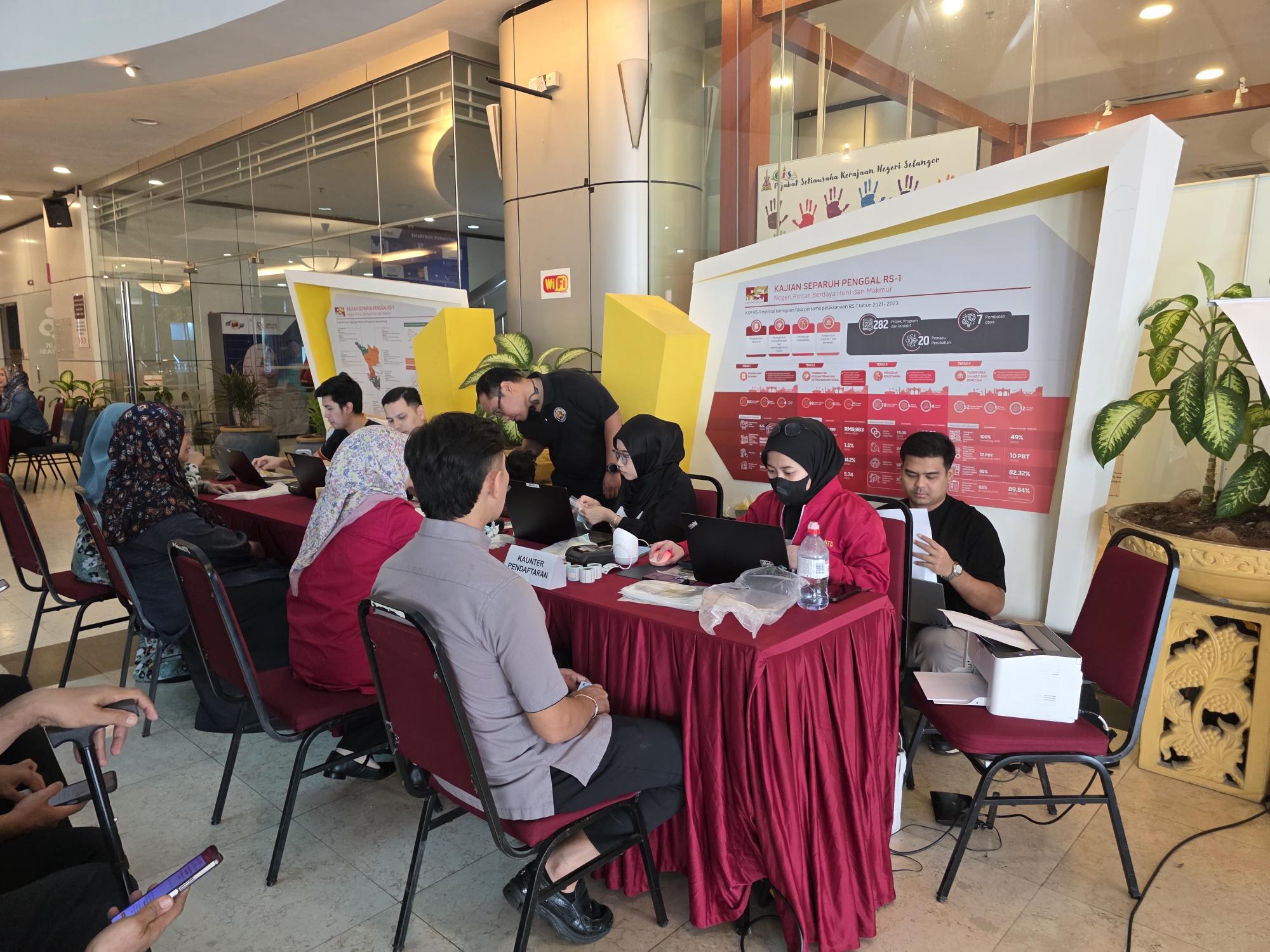
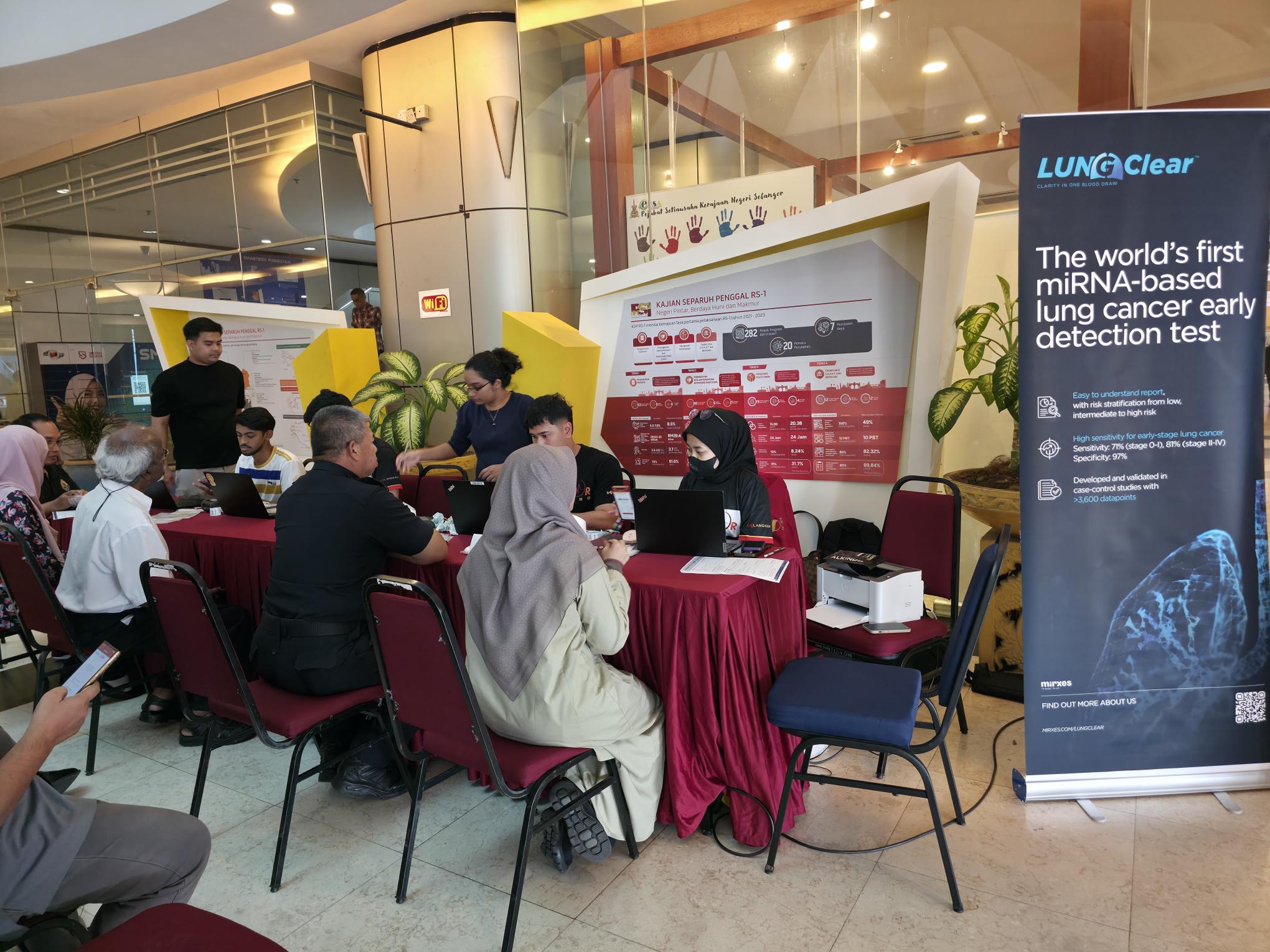
To address this gap, Selangor Saring has taken a forward-looking approach by integrating blood-based screening technologies into its ecosystem, with the first pilot conducted among Selangor's civil servants on Feb 10, 2026. Through this initiative, MyRNA Diagnostics supports the programme with LungClear, a microRNA-based blood test designed to assess lung cancer risk. Unlike conventional screening methods, LungClear requires only a simple blood draw, making it highly suitable for deployment in community screening events, primary care clinics, and mobile health initiatives. This approach introduces a new clinical pathway — one that begins with accessible risk stratification, followed by targeted diagnostic intervention. Instead of sending all individuals for imaging, healthcare providers can now identify those at higher risk and prioritise them for further investigation.
The implications are significant. At a system level, this enables better utilisation of healthcare resources, reduces unnecessary procedures, and improves the efficiency of referral pathways. At a patient level, it lowers the barrier to entry for screening and encourages earlier engagement with healthcare services. More importantly, it represents a shift in philosophy.
Selangor Saring is no longer just about screening — it is about changing how and when we detect disease. The programme demonstrates how state-level leadership, when combined with innovation and strong ecosystem collaboration, can create scalable solutions to complex healthcare challenges. By bringing together policymakers, healthcare providers, diagnostic innovators, and digital platforms, Selangor is setting a new benchmark for preventive care in Malaysia. As the programme continues to expand, it offers a glimpse into the future of healthcare — one where early detection is not limited to hospitals, but embedded within communities.And in that future, the difference between life and late-stage disease may simply come down to one thing: Detecting it early, and acting just in time.