On 4 August 2026, MyRNA Diagnostics hosted a Continuing Medical Education (CME) session at Hospital Canselor Tuanku Muhriz UKM (HCTM), bringing togeth...
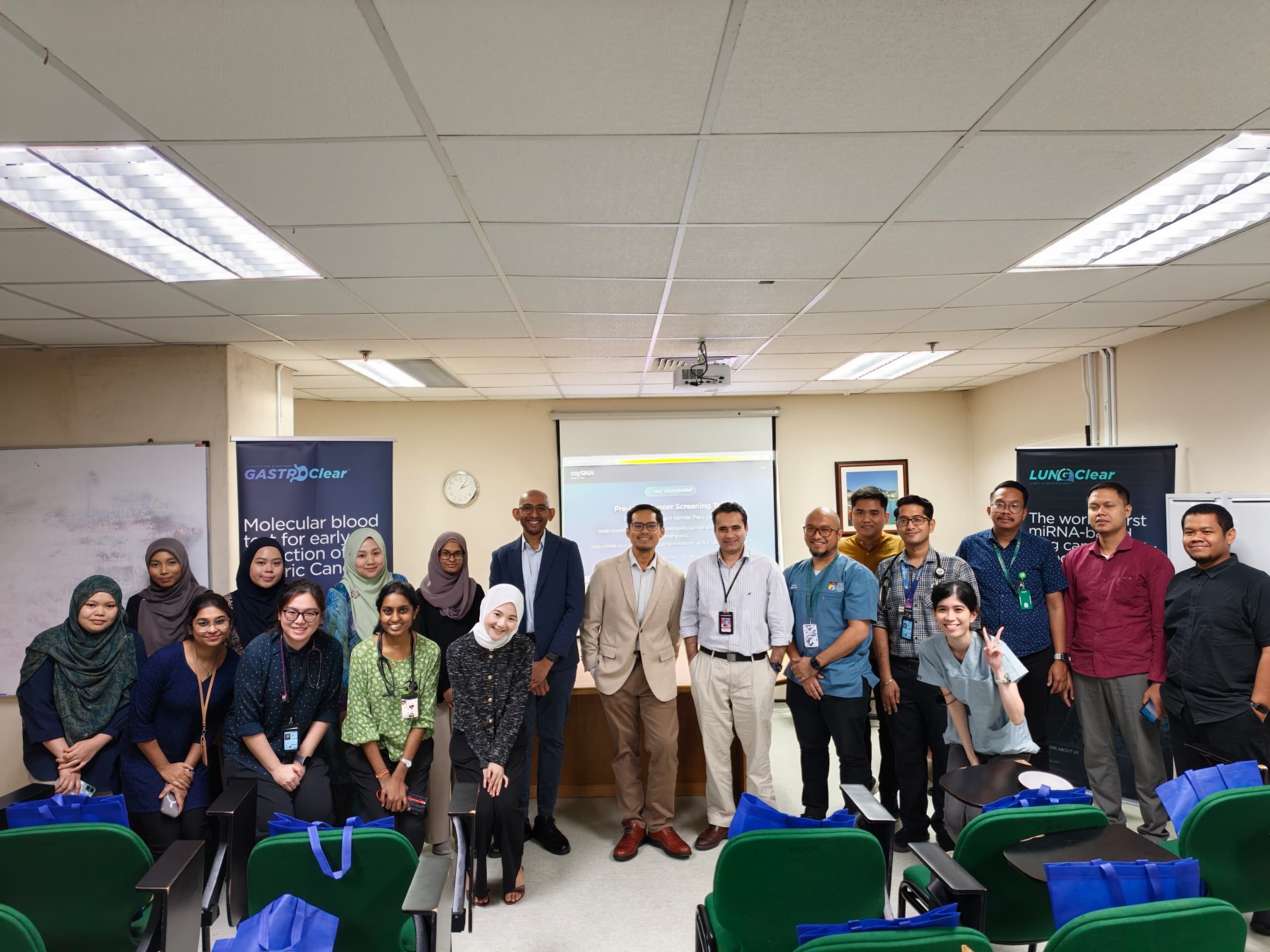
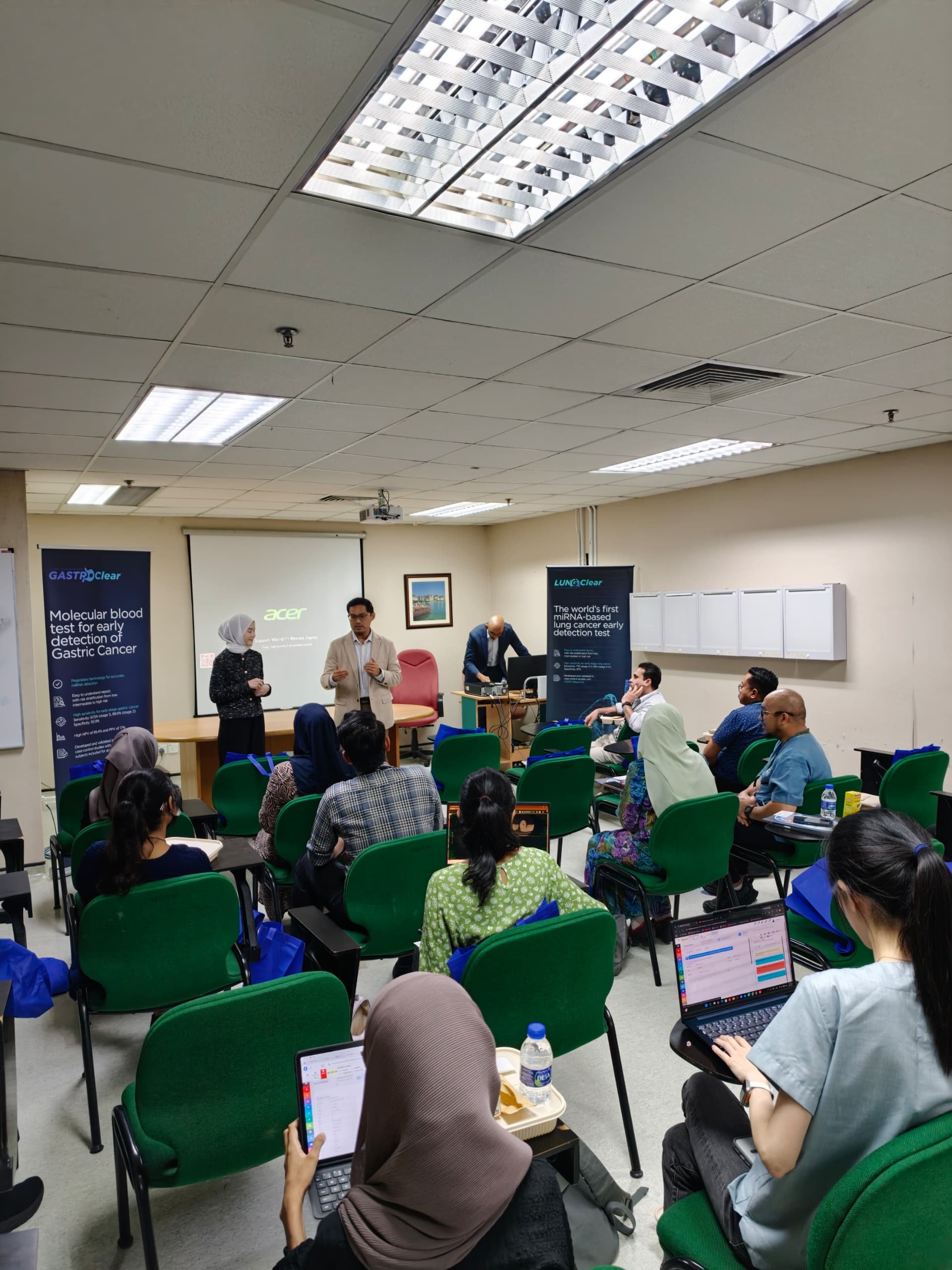
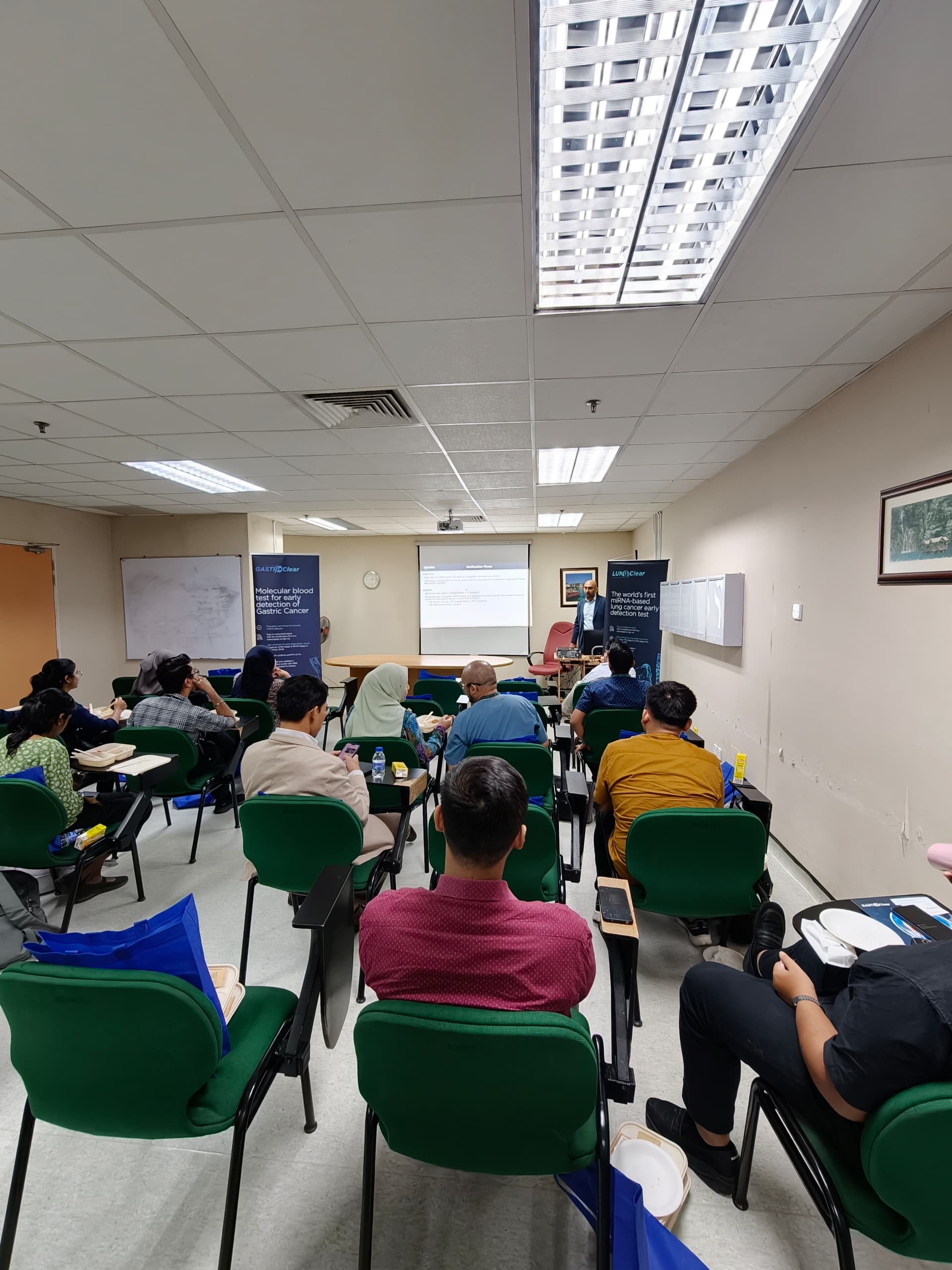
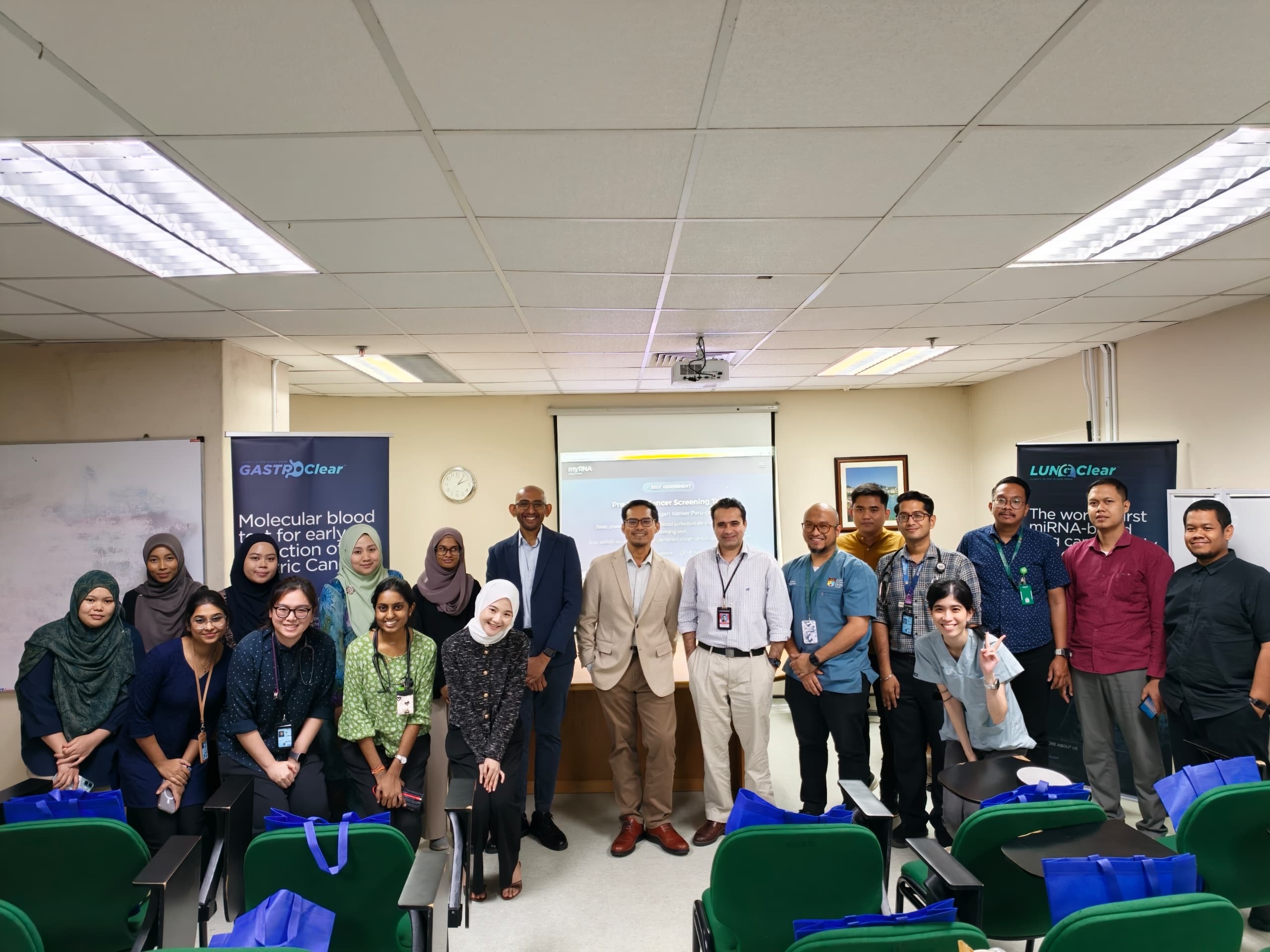
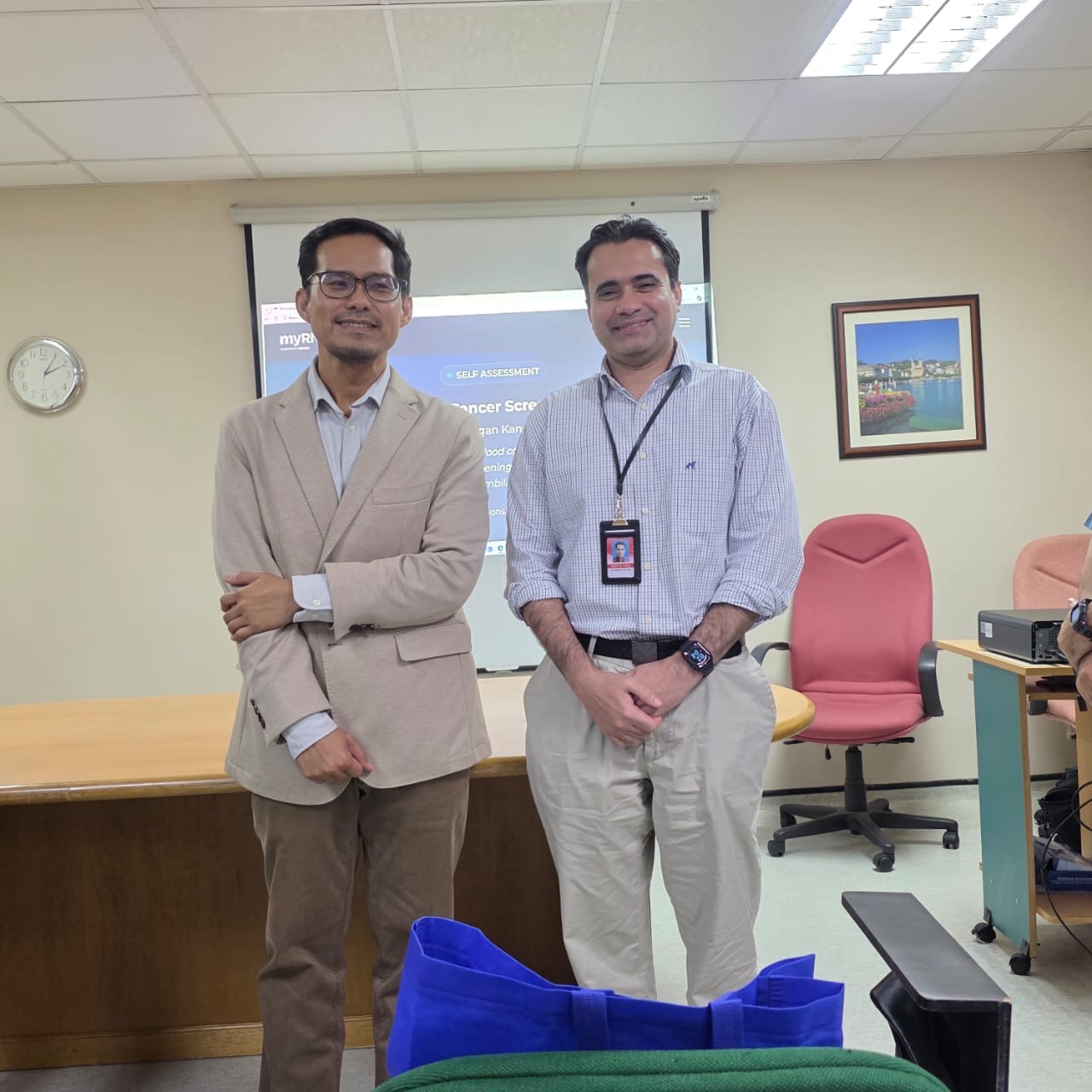
On 4 August 2026, MyRNA Diagnostics hosted a Continuing Medical Education (CME) session at Hospital Canselor Tuanku Muhriz UKM (HCTM), bringing together healthcare professionals for an engaging discussion on the evolving role of molecular diagnostics in gastric and lung cancer screening. Titled “Same Blood, Different Stories: How microRNA Signatures Are Redefining Gastric and Lung Cancer Screening,” the CME session was held at Bilik Sarjana, Level 8, Jabatan Perubatan, HCTM. The session featured Dr Sakktee Krisna, PhD, Medical Science Liaison, who shared insights into the science and clinical potential of microRNA-based blood screening in supporting cancer risk assessment.
The session explored the growing role of microRNA (miRNA) signatures as molecular biomarkers and how these biological signals can provide insights into disease risk from a simple blood sample. As healthcare continues to move towards more personalised and preventive approaches, the development of minimally invasive molecular screening technologies presents new opportunities to complement existing clinical pathways.
During the CME, MyRNA introduced its two blood-based molecular screening solutions, LUNGClear™ and GASTROClear™, designed to support risk stratification for lung and gastric cancers respectively.The discussion highlighted how the same blood sample can contain different molecular signatures associated with different disease processes. By leveraging miRNA signatures, MyRNA aims to translate these molecular signals into practical screening tools that can support the identification of individuals who may benefit from further clinical assessment.
For lung cancer, LUNGClear™ provides a blood-based approach to lung cancer risk stratification, while GASTROClear™ supports gastric cancer risk assessment. Both solutions reflect MyRNA’s focus on developing non-invasive and convenient molecular screening approaches that can complement existing screening and clinical assessment strategies. The CME also provided an opportunity for healthcare professionals to engage in meaningful discussions around the future of cancer screening, including the potential role of molecular biomarkers in strengthening early risk assessment and supporting more targeted clinical follow-up.
As cancer screening continues to evolve, greater collaboration between clinicians, researchers, and diagnostic innovators will be important in translating advances in molecular science into practical healthcare solutions. Educational engagements such as this CME provide an important platform for sharing scientific knowledge, discussing clinical needs, and exploring how emerging technologies can contribute to preventive healthcare.
The session reflects MyRNA’s continued commitment to medical education, scientific collaboration, and advancing early cancer risk assessment in Malaysia. Through its microRNA-based screening technologies, MyRNA seeks to contribute to a future where innovative molecular insights can support earlier identification of individuals at risk and more informed healthcare decisions.
MyRNA extends its sincere appreciation to HCTM, Dr Sakktee Krisna, and all healthcare professionals who participated in the CME session for their valuable engagement and insightful discussions. MyRNA looks forward to strengthening its collaboration with the medical and scientific community as it continues to advance innovation in molecular diagnostics and early cancer screening.